A practical Australia-focused reference for understanding how guest-facing cruise spaces are commonly arranged, connected and used from the first walk along a cabin corridor to an evening return route.
Aboard Compass is an informational, guide-oriented portal rather than a booking or gambling service. Use this overview to connect cabins, food and drink venues, family areas, pools, entertainment, services, deck infrastructure and navigation into one workable picture of life at sea.
Ship orientation / 02
Read the ship as a layered plan
Most ships combine private accommodation, busy indoor public decks, weather-exposed activity decks and restricted operational areas in a vertical system.
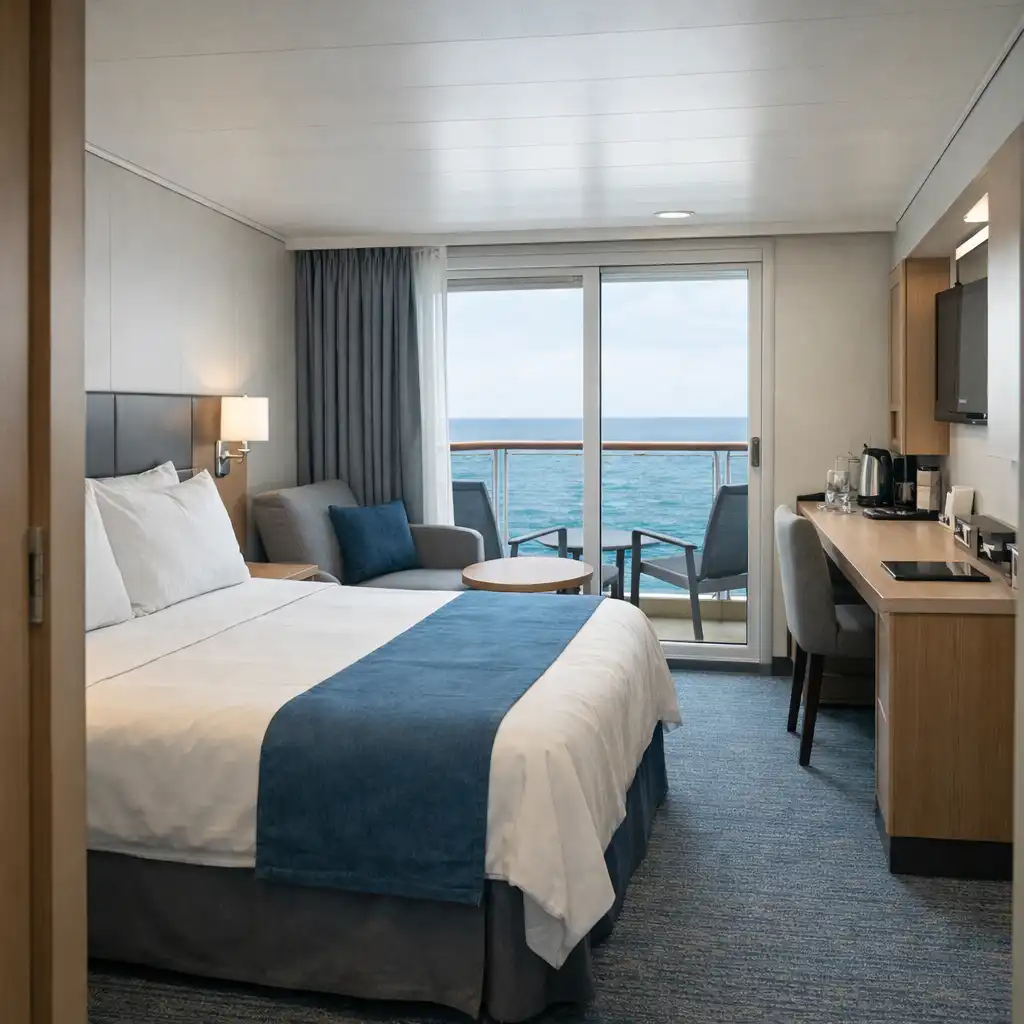
Cabins commonly run along long deck sections, linked by lift lobbies and stair towers rather than isolated from the rest of the ship. Position affects walking distance, lift traffic and possible late-night sound. A forward, midship or aft room changes the route to the places you use most.
02
Public indoor decks
Dining rooms, lounges, theatre entrances, shops and guest services often concentrate on central public decks. Expect busier circulation near meal periods, show calls and embarkation-day orientation. Stair and lift cores are the practical connectors that make these areas easier to read.
03
Open-air and activity decks
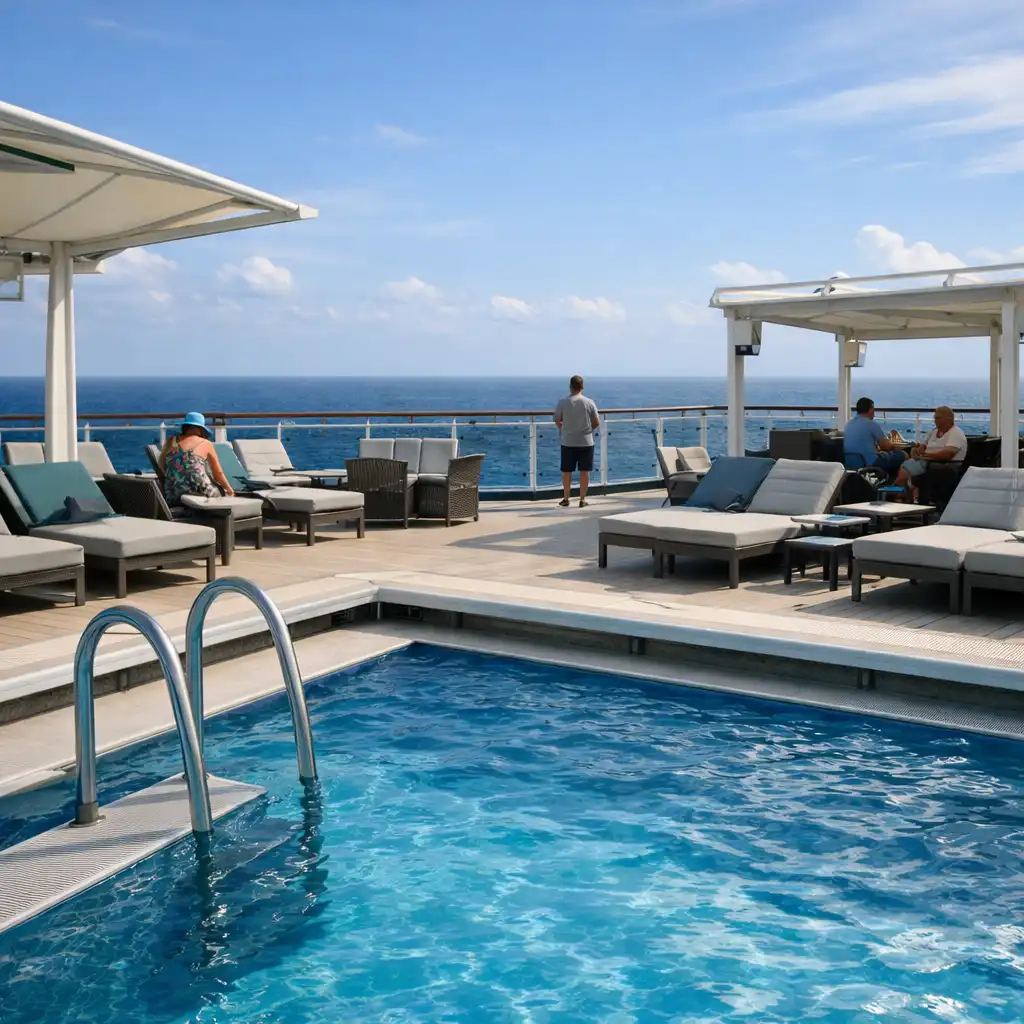
Pools, sun areas, sports zones and outdoor bars are commonly higher up, where wind and weather shape comfort. They may be lively in daylight and host screenings or deck events later. Conditions vary Programming and weather both affect use.
04
Back-of-house and bridge areas
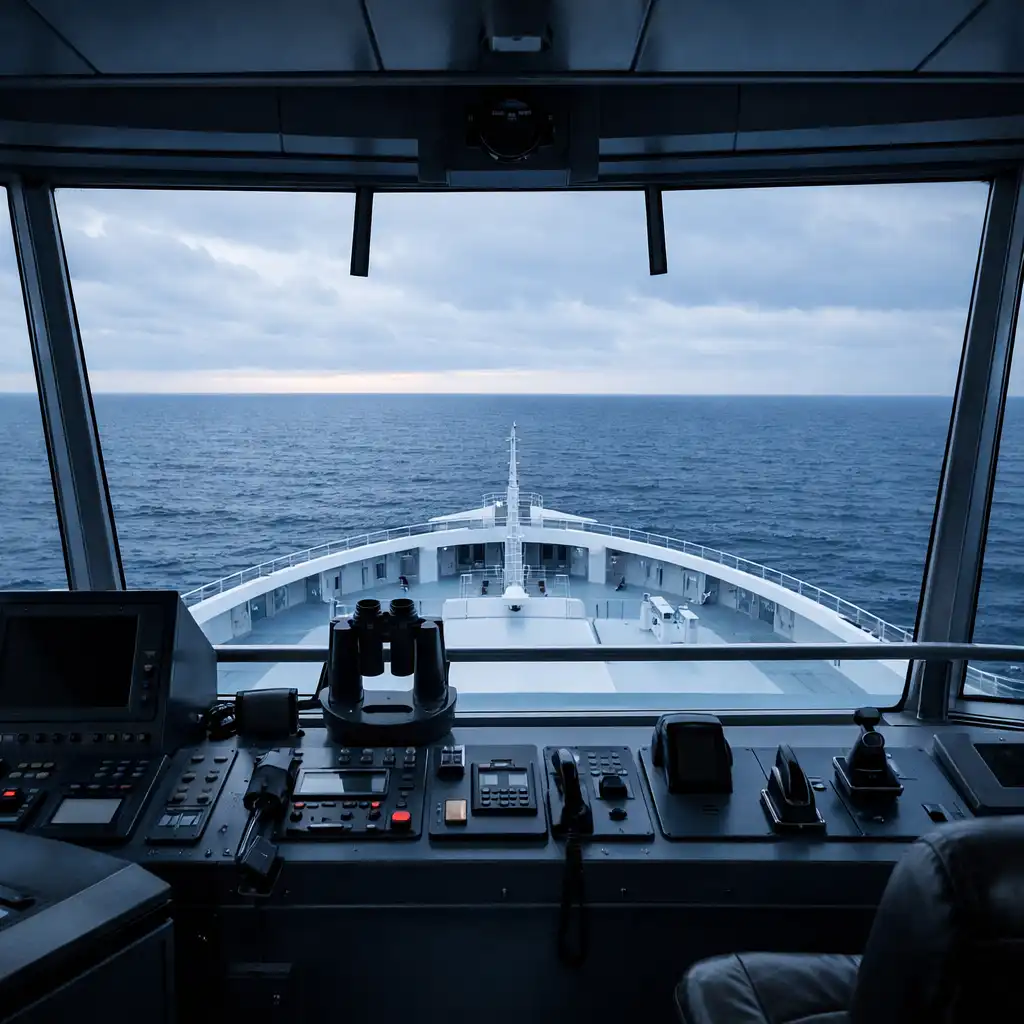
Navigation, technical and crew-only spaces support the guest experience but are generally outside public circulation. Deck plans show selected infrastructure, not every working area. Restricted doors are not shortcuts, and the forward bridge is operational rather than a regular guest destination.
Living quarters / 03
Choose a cabin by daily movement
A cabin category describes the room. Its deck position and surrounding spaces help define the routes, traffic and rhythm around it.
Room type
Cabin types describe the room, not the route
Inside, ocean-view, balcony and suite labels describe aspects of the cabin itself. They do not automatically explain where it sits in relation to lifts, dining or outdoor decks. Read the assigned deck and nearby plan with the category, and choose around your own routine rather than a universally “best” type.
Circulation
Use lift and stair proximity deliberately
A nearby lift lobby or stair tower can shorten regular trips, which may help with mobility needs or a preference for convenience. It can also mean more passing movement near busy intersections. Actual noise depends on construction, guest flow and timing, so treat proximity as a trade-off rather than a promise.
CabinCorePublic deck
Adjacent decks
Check what sits above, below and beside
Inspect nearby decks for theatres, lounges, pool areas, service spaces or public venues that may influence footfall and sound. Being close can be useful when you visit a place often. Confirm the relevant ship plan before travel because exact layouts vary by vessel.
Above outdoor deck or venue?
Same deck lobby or public crossing?
Below lounge, theatre or service zone?
Food & drink / 04
Follow the food-and-drink rhythm
Restaurants, bars and lounges serve different parts of the day, and their location shapes queues, seating and nearby movement.
Timing varies
Restaurants structure the day
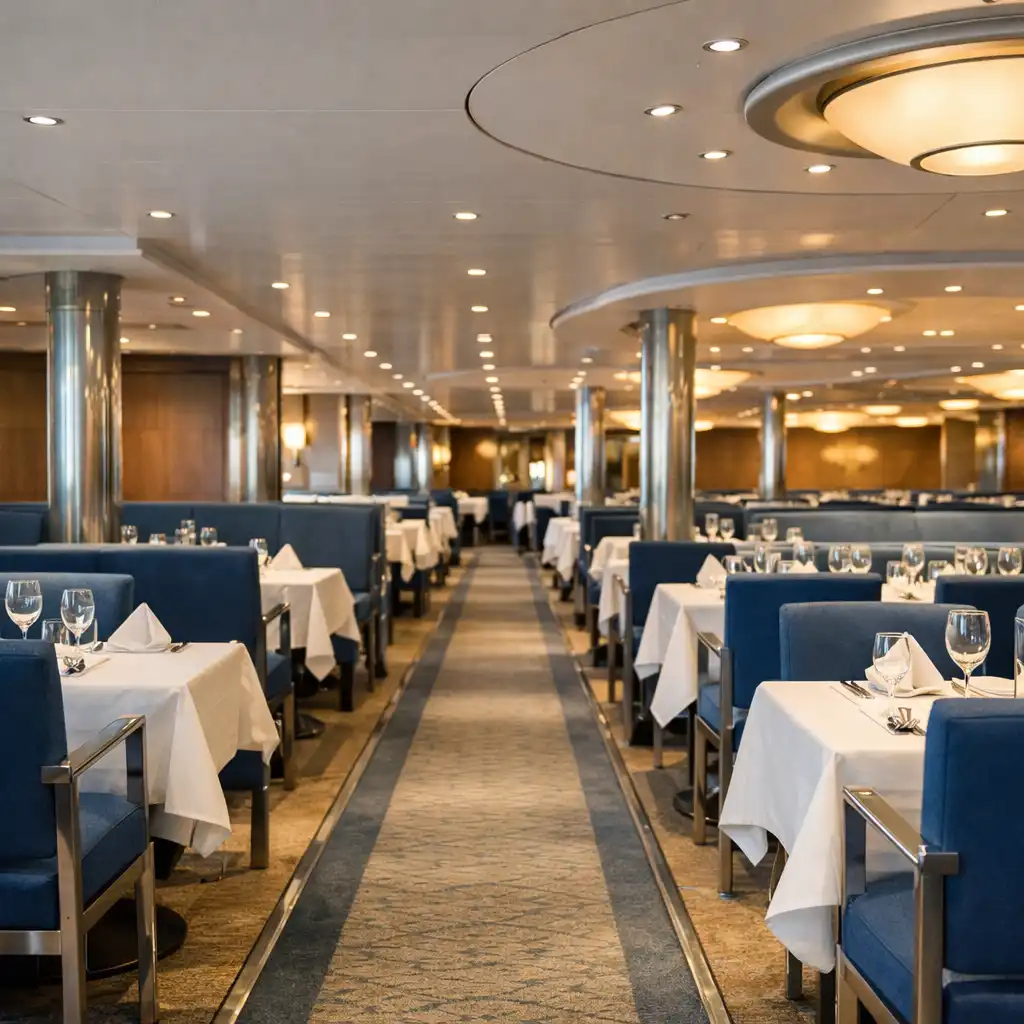
Main dining rooms, casual venues and specialty restaurants are different ways a ship manages meals, queues, reservations and dress expectations. Sea days, port days and individual sailings can alter service patterns. Check the daily programme and any booking requirements rather than assuming the same opening window or inclusion rule applies everywhere.
Short stop
Bars provide social spaces
Bars may sit beside a pool deck, atrium, dining area or entertainment venue. That location changes the atmosphere: a pre-show stop feels different from a poolside pause or a later evening visit. Use the venue’s position to anticipate traffic, rather than relying on a name alone.
Pool bar
Daytime flow
Venue bar
Pre-show movement
Flexible room
Lounges follow programme and seating
Lounges can host live music, talks, games, quiet daytime use or late-night activity. Visitors seeking a calmer setting may find one outside the largest central venue, but seating changes around scheduled events. Read a lounge before, during and after an event through the daily programme.
Before settle in →During expect flow →After allow exits
Open decks / 05
Plan active and family-friendly zones
Pool decks and family spaces can change pace quickly, so plan for conditions, sessions and an indoor alternative.
Weather matters
Pools and open decks change with conditions
Pool areas typically combine swimming, seating, casual food or drinks and deck events, but comfort and availability depend on weather, wind, time of day and programme. Sun, shade, seating and noise can differ across one deck. Use the outdoor space as a flexible option, not a guaranteed all-day plan.
Access may vary
Family spaces work best when mapped early
Children’s areas, teen spaces, games rooms and family activity zones may use age bands, sign-in processes, session times or capacity limits. Locate relevant rooms early on embarkation day and check the programme before building the day around them. Do not assume identical arrangements from one vessel or sailing to another.
Theatres, activity rooms and casino areas are programmed entertainment spaces with different arrival patterns and access details.
Scheduled venue
Theatres and show venues run to a schedule
Large production venues create concentrated arrival and exit periods. Seating, showtimes and entry expectations are set through the daily programme, so allow time to find the venue and understand the arrangement. Content, timing and entry details can vary by sailing.
Programme → venue route → seating
Changing use
Smaller activity spaces create flexible options
Multipurpose lounges, game rooms, screening areas and workshop spaces can change function through the day. The daily programme is more useful than a static room label. It also shows whether a nearby public area is likely to be quiet, active or busy with arrivals.
Room label
Starting point only
Daily use
Check programme
Nearby flow
Read the route
Check onboard
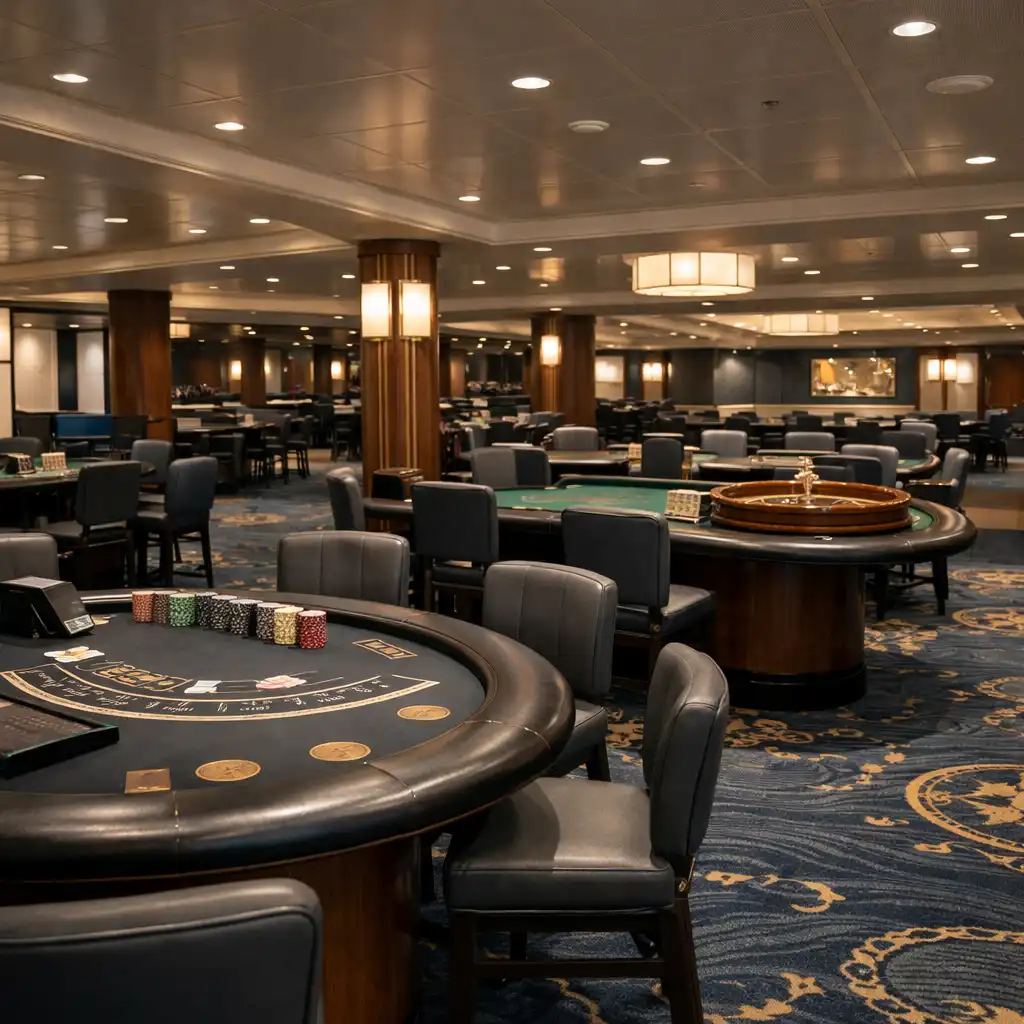
Casino areas are one onboard entertainment zone
Cruise-ship casino areas can include table games such as poker, roulette and blackjack, gaming tables and chips within a regulated onboard entertainment setting. Treat the room as one evening venue among others. Access requirements, operating hours, game availability and onboard policies can vary by vessel or sailing, so check onboard information.
Service points, daily information and accessible routes make it easier to adapt when schedules, locations or needs change.
Ask / check / keep
Guest services and daily information
Guest-facing service desks and printed or digital daily programmes are key orientation points for schedules, account questions, practical requests and updates. Keep revisiting the day’s programme because locations and timings can change. Available assistance varies by vessel and sailing.
Route planning
Accessibility and movement planning
Locate lifts, stairs, accessible routes and important public rooms early, especially when managing mobility, prams or changing daily needs. Busy transition periods can affect movement. Check vessel-specific accessibility information rather than assuming arrangements will be identical.
Route marker ● verify vessel details
Ship-specific support
Shops, medical and practical facilities
These support spaces may be useful, but should be found from the onboard plan and programme rather than assumed from another vessel. Facility availability, opening windows and practical access vary by sailing. Locate them calmly before a need becomes urgent.
Wayfinding / 08
See how navigation and deck infrastructure support the voyage
Deck number, direction and a reliable lift or stair core are the guest coordinates that make a large ship easier to use.
Deck coordinate
Deck numbers are your primary coordinate
Deck number, forward/midship/aft direction, lift lobbies and stair towers combine into a practical location reference. Repeat a location as deck plus direction rather than relying on a venue name alone. Naming and numbering conventions vary by ship.
Deck+Direction+Core
Route checkpoints
Wayfinding works best as a route
Identify a reliable lift or stair core, note what lies nearby and use the posted deck plan when moving between public areas and cabins. A route may differ during busy events or when areas are closed, so it is more useful than trying to memorise every room.
Choose a core
Note a landmark
Check the next deck
Operational context
Navigation is visible, but mostly operational
Bridge and navigation functions are central to safe operation, while public observation points, bridge tours or viewing opportunities depend on the vessel and programme. Interest in navigation does not create guest access to restricted areas. Consult onboard information for any designated public viewing opportunity.
Embarkation route / 09
Build a first-day onboard route
You do not need to inspect every deck at once. Start with the places that will shape your daily movement.
01
Confirm your cabin position
Start with cabin deck, direction and closest stair or lift core. Check the nearest posted deck plan; cabin readiness and embarkation procedures can vary by sailing.
02
Locate practical information
Find the daily programme, guest service point or available ship information source for changing dining, activity and route details.
03
Trace meal and lounge routes
Walk from the cabin core to a main dining area, casual option and one lounge. Venue opening windows can vary by vessel and sailing.
04
Identify outdoor and family points
Locate the pool deck, a sheltered indoor fallback and relevant family spaces. Check weather and session information before relying on one outdoor area.
05
Note evening venues and return routes
Identify theatre, lounge and, where relevant, casino-area locations, then note a clear return route after busy evening periods.
Further routes / 10
Related guide routes
Use these deeper guides when you need more detail on a particular onboard system or space.
Casino areas
Cruise casino guide
Read practical coverage of casino rooms, poker, roulette, blackjack, tables, chips, access considerations and onboard variability. It is a guide to understanding the space, not gambling promotion.
Explore wayfinding, deck plans, lift and stair cores, public routes and navigation context when comparing cabin position or learning to move around a vessel.
This page helps travellers form useful questions about onboard spaces, but it does not replace the relevant vessel’s deck plan, daily programme, accessibility information or staff guidance. Layout, hours, access, dining arrangements, entertainment and facilities vary by vessel and sailing.
Verify the details that affect your stay
Assigned cabin location and current deck plan
Opening times, reservations and inclusions
Accessibility routes and family sessions
Weather conditions and scheduled entertainment
Casino-area hours and age or access requirements
Check onboard for the current information.
Cookie preferences
We use essential cookies to keep this guide working and optional analytics to improve it. Read our Cookie policy.